

I’ve spent a lot of my life thinking about travel: where we go, how we get there, where we stay, what we eat and, perhaps most importantly, what makes a trip actually stay with us.
After years of traveling for work and with my family, I’ve noticed something that has changed the way I think about planning a vacation. It has very little to do with how many things we can fit into a day.
Instead, before we book the next experience, add another restaurant reservation or decide whether something is worth rearranging the itinerary for, I find myself asking a much simpler question:
Will we remember this five years from now?
It sounds almost too simple. We spend months planning vacations, sometimes spending thousands of dollars and countless hours researching luxury hotels, restaurants, excursions and flights. We save places we want to see, make reservations months in advance and build itineraries that can somehow become longer than the vacation itself.
And yet, when I think back on some of my favorite trips, I rarely remember the itinerary in the way I thought I would.
I remember the little things.
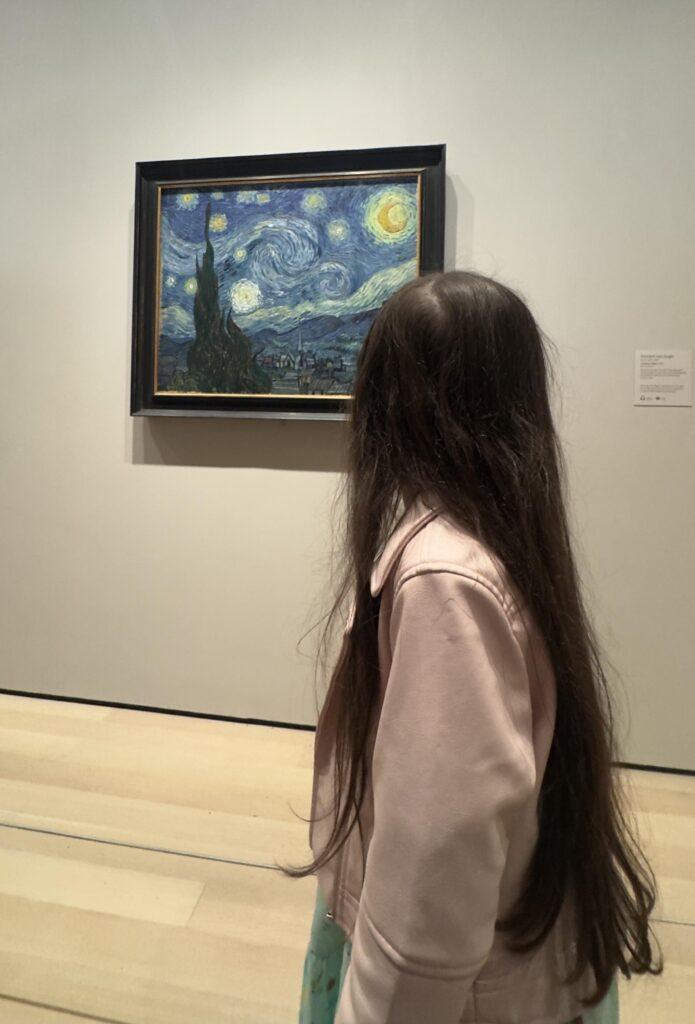
I remember sitting somewhere beautiful with my family when nobody was looking at a phone because there was simply no reason to. I remember a meal that turned into a two (sometimes three)-hour conversation. I remember something my daughter noticed that I had completely missed. I remember the first time she tried -and loved- escargots. I remember seeing a place for the first time and realizing that no photograph could quite capture what it felt like to be there- and then, almost instinctively, reaching for the camera anyway, wanting to capture it on video and share that experience with our broadcast friends around the world.
Those are the moments that become stories.
And that, to me, is the difference between taking a trip and creating a memory.
(Be sure to follow FoodFamilyTravel.com on News Break and on Instagram: @food.family.travel for the latest travel & lifestyle stories, trends and tips)
The Moments We Don’t Plan
We tend to think of a great vacation as a collection of big experiences. The landmark. The spectacular hotel. The Michelin-starred restaurants everyone told us we had to try. The excursion that required a reservation weeks in advance.
Those things can absolutely be wonderful – and sometimes the memories live forever because of those moments. But some of the memories that have stayed with me the longest happened in the spaces around them.
It might be a walk back to the hotel after dinner when the streets suddenly feel different at night. It might be stopping for something to eat because everyone is hungry, even though there wasn’t a restaurant on the schedule. It might be the conversation that starts because your child asks a question about something you passed on the way to somewhere else.
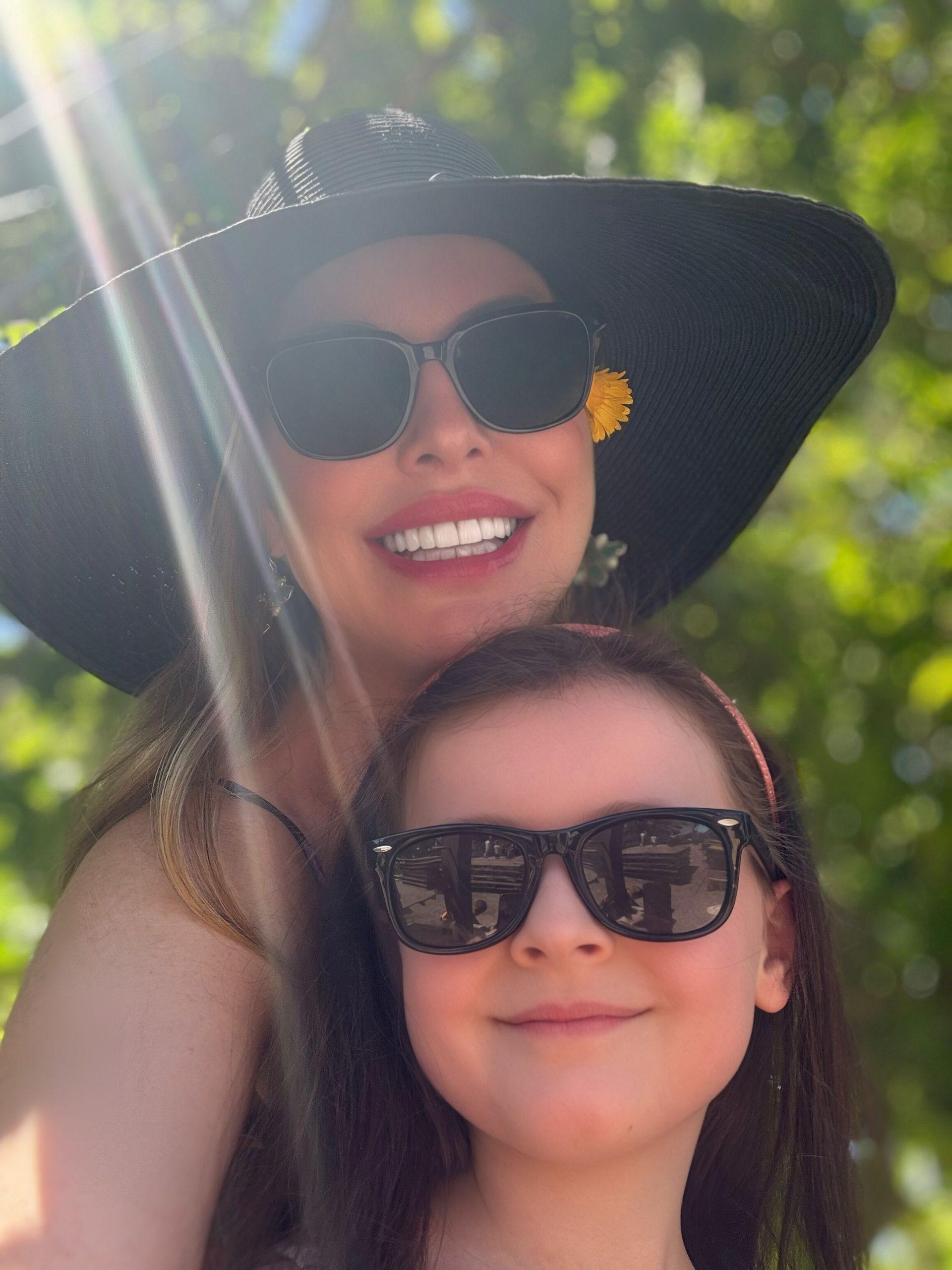
It may be the flower she picks for you and tucks behind your ear as you walk together.
Travel has a way of making those ordinary moments feel different.
You’re somewhere unfamiliar. You’re seeing things through slightly different eyes. You have time that doesn’t belong to your normal routine. And if you slow down enough to notice, there are stories everywhere.
That is really the heart of what I call Memory-First Travel™.
It isn’t about doing less simply for the sake of doing less, and it certainly doesn’t mean skipping the experiences you’ve traveled all that way to have. It’s about asking a different question when you’re deciding how to spend your time.
Instead of asking, What else can we do?
Ask, What will we remember?
Give Yourself Room to Be Surprised
Some of the best travel memories begin with something we didn’t expect.
Maybe it’s a dish you’ve never tried. Maybe it’s a conversation with someone you meet along the way. I find that fellow travelers from around the world- people willing to share their stories and eager to see the world through each other’s eyes- can become some of the most unexpected sources of the memories we carry home. Maybe it’s a piece of history that makes you look at a destination differently. Maybe it’s simply seeing a familiar idea through another culture’s perspective.
I love that feeling of realizing, I didn’t know this was going to be part of the trip.
That’s often where curiosity takes over.
When we’re traveling with our daughter, I try not to answer every question she asks immediately, even when I know the answer. Sometimes I’ll turn it back around: What do you think? Why do you think they built it that way? How do you think that works?
And sometimes, honestly, I don’t know.
That’s okay.
One of the best things we can say while traveling is, “I don’t know. Let’s find out.”
Suddenly, you’re not just looking at a building. You’re wondering why it exists. You’re not simply eating a dish. You’re asking where it came from. You’re not just passing through a landscape. You’re thinking about how it was formed and why people settled there. You’re learning, exploring and creating memories together.
The experience becomes a conversation, and the conversation becomes part of the memory.
The Journey Is Part of the Vacation
There is another part of travel that I think we sometimes overlook: the journey itself.
We tend to think of transportation as the necessary part between one destination and the next. Get on the plane, get in the car, take the train, arrive at the hotel- and then the vacation begins.
But what if the journey is part of the vacation?
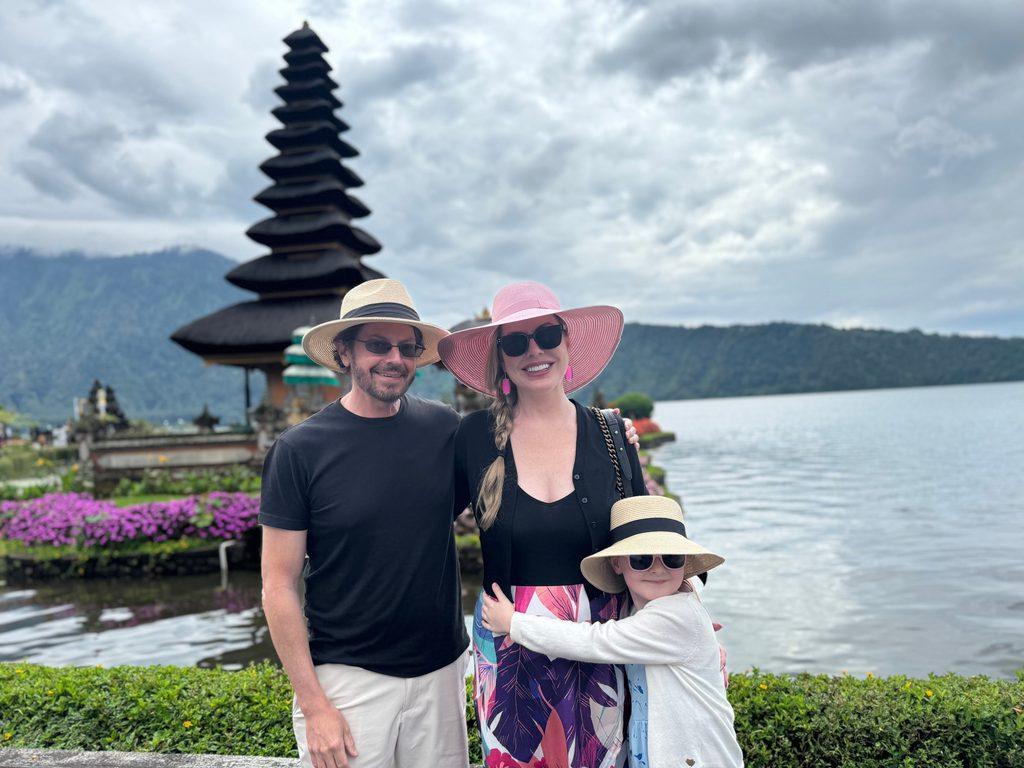
Some of my favorite travel memories have come from the moments when we weren’t rushing to get somewhere else. Watching a landscape change outside the window as you sail down a coastline. Sitting down for a meal while the scenery slowly moves past. Waking up somewhere completely different from where we went to sleep. Having the time to actually notice the places between the headline destinations.
There is something particularly appealing about a trip where you can settle in rather than constantly packing and unpacking, checking out, navigating another airport or figuring out the next transfer.
You can actually experience the movement between places.
And that changes the rhythm of a trip.
Instead of asking, How quickly can we get to the next place? you have the opportunity to ask, What is happening around us right now?
Maybe it’s the landscape. Maybe it’s the food. Maybe it’s a conversation with someone you’ve just met. Maybe it’s watching your child discover something through the window that you would have missed entirely if you were focused on getting there.
Those moments may not make it onto the original itinerary.
They’re often the ones that make it into the story.
What Will Your Family Talk About?
This becomes even more meaningful when you’re traveling with children.
We can put enormous pressure on ourselves to make family vacations “worth it.” We want them to see everything and learn everything they can. We want to make the most of the money we’ve spent and the time we’ve taken off.
But years from now, our kids probably aren’t going to remember whether we made it to every attraction on our list (ok, I can say this definitively: they will not).
They’re going to remember the feeling of being together.
They’re going to remember the new food they tried. The joke that nobody could stop laughing about. The friends we made along the way and the suite that felt like an adventure because it wasn’t home. The time they asked a question and we went looking for the answer together. That incredible moment on a shore excursion that you didn’t plan but you’ll never forget.
They may remember something you almost decided wasn’t worth doing.
They may remember something that wasn’t planned at all.
And they may remember the journey just as much as the destination.
The Vacation Test
So now, when I’m planning a trip, I still look for the beautiful places, the great restaurants and the experiences I don’t want to miss. I still make reservations. I still research (a lot). I still get excited about the places we’re going to see- watch every video. Read every article and every book.
But somewhere in the planning process, I try to step back and ask myself that one question again:
Will we remember this five years from now?
Because I don’t think the goal of a great vacation is to come home with the longest list of things we did. The goal is to come home with the stories we can’t wait to tell (and for us, that means with you as well).
Five years from now, the details of the itinerary may be fuzzy. You may not remember exactly which day you visited which museum or what time you had dinner.
But you’ll remember the sunset.
You’ll remember who was sitting beside you.
You’ll remember what made everyone laugh.
You’ll remember the meal that turned into an evening.
You’ll remember the landscape outside the window.
You’ll remember the moment your child looked at you and said, “Did you see that?”
And you’ll remember the story you told over and over again.
That’s the vacation worth taking and the memories worth making.