

You don’t need a classroom or a perfectly planned itinerary to make travel educational. Sometimes, the best lessons happen when you simply stop, look around and ask a question.
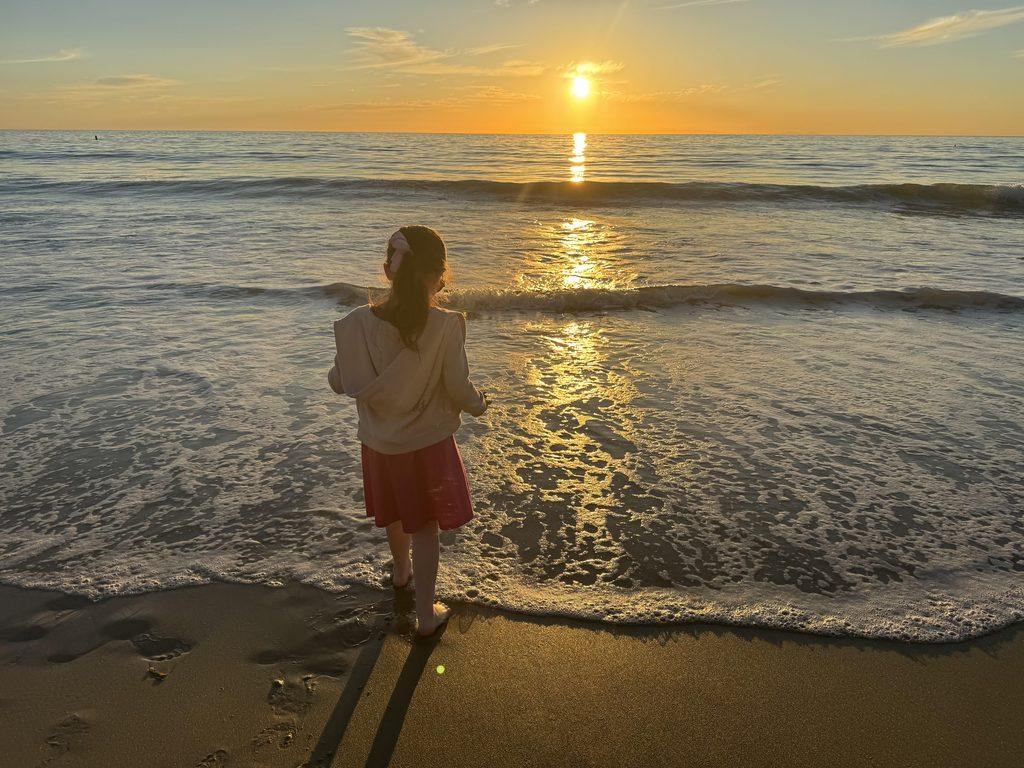
One of my favorite things about travel is that it gives children something no textbook can fully replicate: the chance to experience the world firsthand.
A historic building becomes more than a photograph when you’re standing inside it. A meal becomes a lesson in geography, agriculture and culture when you meet the person who prepared it. A visit to the beach can spark questions about marine life, tides, coastal ecosystems, and how waves shape the shoreline. Even a trip to an amusement park can spark conversations about engineering, physics, storytelling and technology.
The trick is learning how to recognize those opportunities.
That’s why I developed the FoodFamilyTravel.com HEART Method™: a simple framework that helps parents turn everyday travel experiences into opportunities for discovery. It works on a family vacation, a weekend road trip, a visit to a theme park or even an afternoon exploring your own city. And best of all, it will open your eyes to see the world in a different way just as much as it will for your kids.
HEART stands for five areas of exploration:
- H — History & Humanities: Who lived here? What happened here? How have people, traditions and communities shaped this place?
- E — Engineering & Exploration: How was it built? How does it work? What problems did people have to solve?
- A — Arts & Culture: What do people create, celebrate, cook, perform and value? What makes this place distinctive?
- R — Reading & Research: What can we discover by reading signs, maps, menus, books, stories and other information about our surroundings?
- T — Technology & Science: What can we learn about the natural world, innovation, transportation, space, animals, energy or the science behind what we’re experiencing?
Think of HEART as five different lenses through which to experience the same destination. You don’t have to use all five every time. Even one good question can open the door to an entirely new adventure.
Start With Curiosity, Not a Lesson Plan
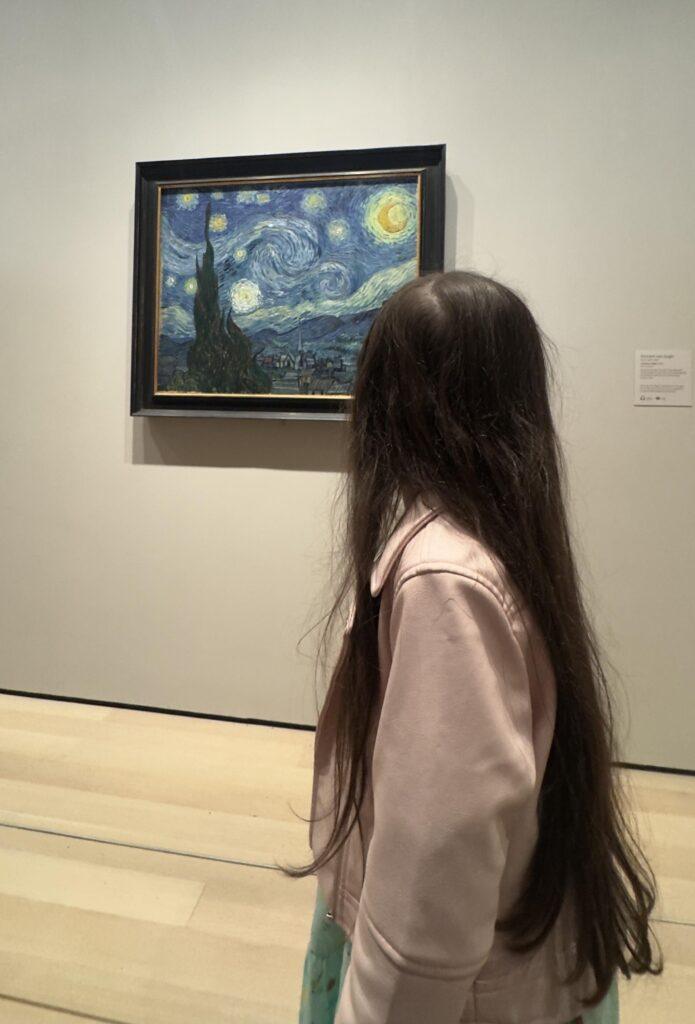
The most important part of HEART isn’t memorizing the categories. It’s changing the way we approach an experience.
Instead of telling children what they’re supposed to learn, invite them to investigate.
I like using four simple steps:
LOOK → ASK → PREDICT → INVESTIGATE
First, look closely at what’s around you. Then ask a question. Encourage your child to make a prediction, even if it’s completely wrong. Finally, find a way to investigate the answer.
And if you don’t know? That’s perfectly fine. One of the most valuable things a parent can say is, “I don’t know. Let’s find out.”
That small shift turns a parent into a fellow explorer. It also shows children that learning doesn’t end when school lets out.
What HEART Looks Like in Real Life
The beauty of this approach is that you can use it almost anywhere. Here are a few examples of how ordinary travel experiences can become meaningful learning opportunities.
At a Historic Site: History & Humanities
You don’t have to be visiting a famous landmark to explore history. A town square, an old hotel, a local cemetery or even the architecture along a street can tell a story. See that statue or plaque you’ve driven by or walked past for years, now it’s time to check it out.
Look at the buildings. What materials were used? Why might the town have developed in this location? Who lived here 100 years ago? What has changed, and what has stayed the same?
Ask children to imagine what daily life might have looked like before cars, electricity or modern conveniences. At a historic site, compare what you see with what you’ve read or learned. The goal isn’t to remember every date. It’s to understand the people and events that shaped a place.
On a Road Trip: Engineering & Exploration
Road trips are full of opportunities to explore how things work.
How are bridges designed to support the weight of cars and trucks? Why are some roads built through mountains while others wind around them? How do tunnels get constructed? What makes an electric vehicle different from a gas-powered car?
Try asking: “What do you think engineers had to consider when they built this?” Then look for the answer together.
Even a stop at a scenic overlook can spark questions about how the landscape was formed (introducing the T in the HEART Method through technology and science.) Notice the area’s geological features, from its unique formations and colors to the minerals and metals that shaped the landscape.
At a Local Market or Restaurant: Arts & Culture
Food is one of the easiest ways to introduce children to a destination’s culture and talk about the regional influences that shaped the people and life there.
Visit a farmers market, browse a local bakery or try a dish you’ve never tasted. Ask where the ingredients come from, how the recipe developed and why certain foods are associated with a particular region.
Look at the colors, patterns and crafts at a market. Listen to the language and music around you. Notice how traditions are reflected in everyday life.
You can even turn dinner into a little research project: choose one ingredient or spice on the menu and find out how it is grown, harvested or prepared.
Sometimes the most memorable cultural lesson comes from a conversation with a local rather than a scheduled tour.
At a Museum, Bookstore or Visitor Center: Reading & Research
Reading and research don’t have to happen before a trip. They can happen along the way.
Encourage children to read exhibit descriptions, study maps, compare travel brochures or look up something that catches their attention. At a visitor center, ask them to choose a destination or attraction and figure out what makes it interesting.
Younger children might enjoy finding words on signs or identifying places on a map. Older children can compare sources, investigate a local story or research the history behind something they’ve seen. You’ll be surprised how much kids become their own driven researchers when they’re simply interested in a subject. We call it “deep diving” in our family, and it is incredibly fulfilling to learn facts and history about different subjects from a child that is simply engaged and curious.
A useful challenge: have each child come up with one question they want answered before leaving a destination.
At a Theme Park: Technology & Science
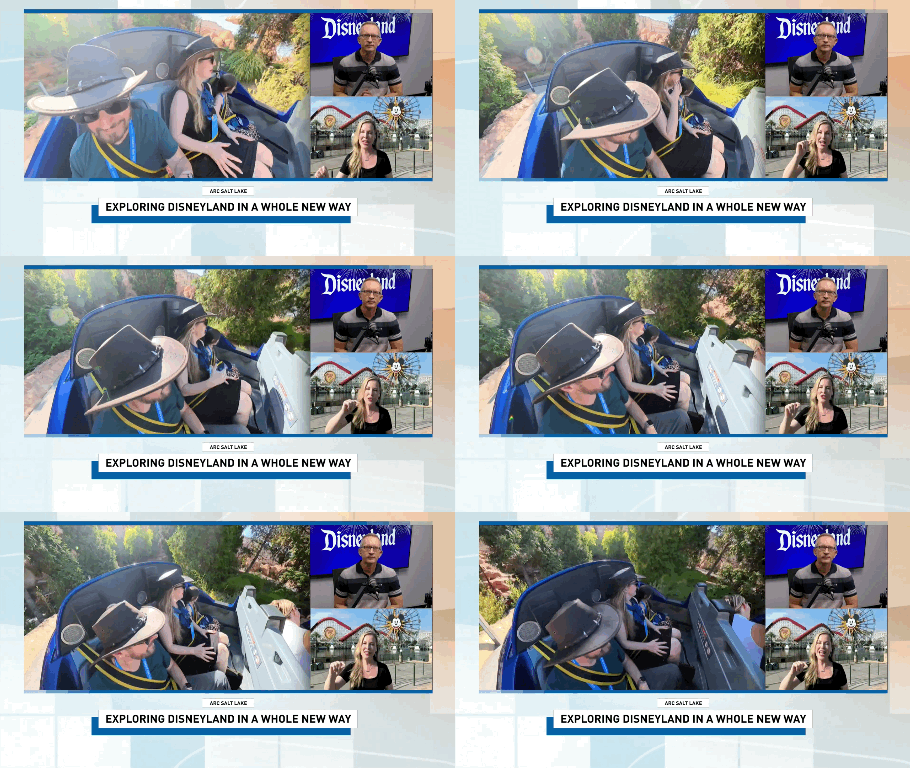
A theme park might seem like pure entertainment, but it’s also a fascinating place to explore science and technology- and so much more. In fact, you can apply the entire HEART Method at many theme parks (as we shared on CBS and FOX). We even offer FREE guides to Disneyland, Disney California Adventure, and Universal Studios Hollywood to help you get started!
How does a roller coaster gain and lose speed? What keeps a ride safely on its track? How do animatronics move? How do sound, lighting and special effects create the illusion of another world?
Ask children to predict what will happen on a ride before experiencing it. Then talk about what they noticed afterward.
Even the logistics of a theme park can spark curiosity. How do thousands of people move through a park efficiently? How is water used and managed? What technology helps operate attractions?
The experience is still fun. You’re simply adding another layer to it.
Let the Experience Lead
One of the biggest mistakes we can make as parents is trying to turn every moment into a teaching opportunity.
That’s not the point of HEART.
Children need room to play, explore, be surprised and simply enjoy being somewhere new. The goal isn’t to quiz them at every stop or make them complete a worksheet before getting ice cream.
Instead, follow their interests. If your child becomes fascinated by a fountain, explore how it works. If they want to know why a local dish tastes different, investigate the ingredients. If they notice an unusual building, take a closer look.
Sometimes a question leads to a five-minute conversation. Sometimes it becomes the highlight of the day. And sometimes you discover that your child is interested in something you never would have thought to explore.
That’s the magic.
Make It a Family Adventure
You can also give each family member a different HEART challenge during a trip. Let your child first (you want them to buy in to the fun educational idea).
One person can look for something historical. Another can find an example of engineering. Someone else can choose a cultural experience, a book or a scientific discovery.
At the end of the day, share what everyone found.
You might be surprised by what children remember. It may not be the attraction you spent the most money on or the excursion you planned months in advance. It might be the conversation with a local shopkeeper, the unusual machine they spotted or the question that sent the whole family down an unexpected rabbit hole.
And that’s a good reminder that education doesn’t have to be separate from travel. It can be woven into the experience itself.
The Best Souvenir Might Be Something You Learned
Travel gives children the opportunity to see how the world works beyond their own neighborhoods. It introduces them to different histories, cultures, landscapes, technologies and ways of life.
The HEART Method simply gives families a way to make the most of those experiences.
So the next time you’re planning a vacation, don’t worry about building an elaborate itinerary. Start with a destination, stay curious and remember the five HEART categories: History & Humanities, Engineering & Exploration, Arts & Culture, Reading & Research, and Technology & Science.
You can use them at a national park, a museum, a theme park, a beach, a restaurant or on the drive between destinations.
Because the best learning doesn’t always happen when we’re sitting still. Sometimes it happens when we’re out in the world, asking questions, making discoveries and experiencing something together.
And those are the kinds of lessons that can stay with a family long after the trip is over.