

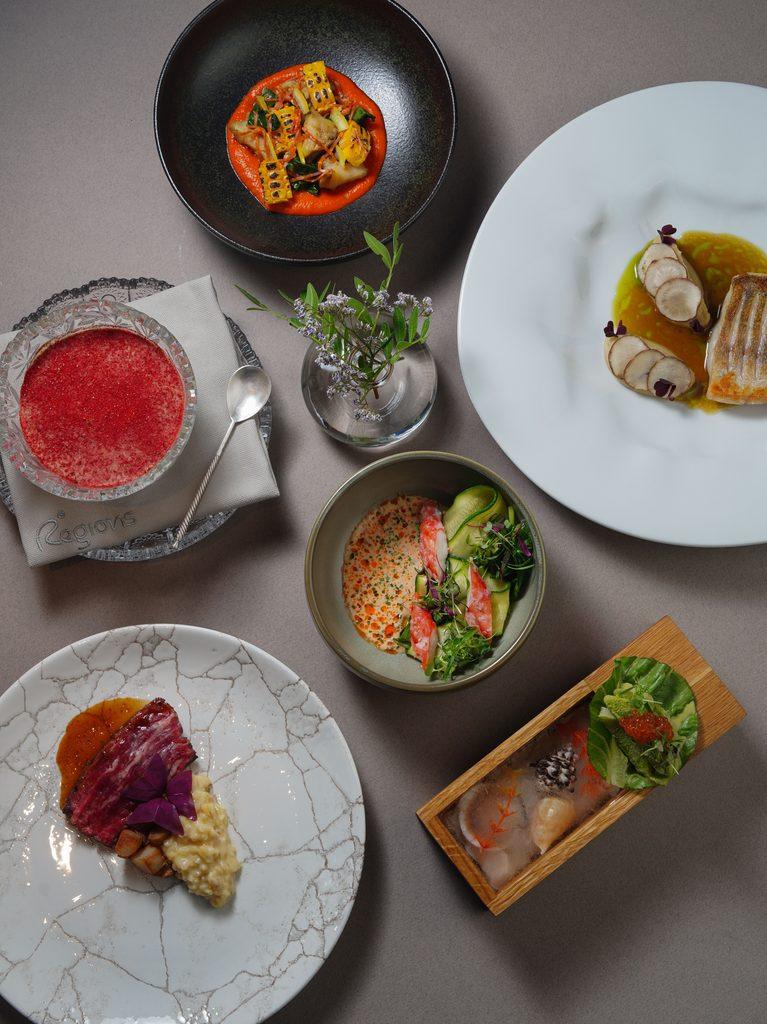
Some of the best trips begin with a meal. Maybe it’s a reservation at a Michelin-starred restaurant you’ve wanted to try for years, a recommendation from a local who insists you can’t leave without tasting a particular dish, or an unexpected discovery at a street cart with a line of locals waiting to order.
For me, culinary travel is about more than finding a great restaurant. Food offers a way to understand a destination- its history, culture, traditions and the people who bring those traditions to life. And sometimes, the meals that stay with us longest are the ones we never planned.
That’s also the idea behind my approach to Memory-First Travel™: asking, Will I remember this five years from now? Sometimes you can anticipate the experiences that will stay with you; other times, the most memorable moments take you by surprise. But asking the question encourages you to look beyond the expected. A meal that introduces you to a new culture, connects you with local people or surprises you in the most unexpected place can become one of those memories that stays with you long after the trip is over.
Whether you’re planning an entire getaway around food or simply looking to make your next vacation more delicious, here are seven ways to experience a destination through its cuisine.
1. Make a Michelin-Starred Restaurant Part of the Journey
For food lovers, dining at a Michelin-starred restaurant can be an experience worth traveling for. The Michelin Guide recognizes restaurants for the quality of their cooking, with inspectors evaluating five criteria: ingredient quality, mastery of cooking techniques, harmony of flavors, the chef’s personality expressed through the cuisine, and consistency.
A special meal can become the centerpiece of a trip, whether it’s a tasting menu showcasing seasonal ingredients, a creative interpretation of regional cuisine or a restaurant that has become a destination in its own right.
Start by exploring the Michelin Guide for your destination. Look beyond the number of stars and consider the restaurant’s culinary style, setting, menu and overall experience. Some restaurants require reservations months in advance (or luck in a lottery), so plan accordingly.
And remember, Michelin-starred restaurants span a range of price points and styles, from relaxed, approachable dining to formal, highly choreographed experiences. Our favorite meals have run the gamut from business casual to formal, from fun and theatrical to precisely timed and meticulously executed. What they have in common is exceptional food with a distinct point of view. Each meal has offered such a strong sense of the chef’s personality and approach that you feel you get to know them through the food. I walked away feeling the same way I do after watching a film by Christopher Nolan, Steven Spielberg or Tim Burton: each has a distinct style you recognize. With these chefs, you taste their food, and you begin to recognize the person behind it. The goal isn’t simply to land the most coveted reservation. It’s to find a meal that tells you something distinctive about the place you’re visiting- and gives you a reason to remember it.
2. Compare Michelin-Starred Dining With Street Food
One of the most fascinating ways to explore a destination through food is to experience the same regional ingredients in two very different settings. Book a table at a James Beard award winning or Michelin-starred restaurant, then seek out a street-food vendor preparing dishes with the same local seafood, produce, spices or traditional ingredients.
How does a celebrated chef transform a regional ingredient through technique, creativity and presentation? How does a local cook use those same ingredients to create something rooted in everyday life? The contrast can be just as memorable as either meal on its own.
Some of the best meals of your life might not happen in a restaurant at all. I’ve had the best seafood tostadas from a street cart in Mexico, surrounded by locals, with freshly caught seafood just feet from the shore. There was no elaborate dining room or formal presentation. The freshness, the flavors and the setting made it unforgettable. I can still taste it.
That experience is a reminder that culinary excellence doesn’t belong to one type of kitchen. A Michelin-starred restaurant can offer an extraordinary interpretation of a region’s cuisine, but so can a street vendor who has perfected a dish over years of making it for the people who live there.
When planning your trip, look for opportunities to experience both. This is a MUST for our family. Research acclaimed restaurants showcasing regional ingredients, then ask residents, guides or market vendors where they go for the same local specialties. Try the seafood, produce or signature dish in both settings, and pay attention to what changes- and what remains the same.
You might discover a new appreciation for fine dining, find a street-food dish you can’t stop thinking about or come away with a deeper understanding of the destination. That’s the beauty of culinary travel: it’s not about choosing between luxury and authenticity. It’s about experiencing both.
3. Explore a Destination Through Its Markets
Local markets offer a glimpse into what a destination eats, grows and values. From fresh seafood and seasonal produce to regional cheeses, spices, pastries and prepared foods, markets bring local food culture to life.
Visit early in the morning to see vendors setting up and residents shopping for the day. If you’re traveling somewhere with a strong culinary tradition, consider a guided market tour that explains the ingredients, customs and dishes associated with the region.
Markets are also an easy way to sample a variety of foods without committing to a formal restaurant meal. You might try a regional pastry, discover an unfamiliar variety of olive oil, specialty spice or salt, or find a fruit you’ve never tasted before.
For families, markets can turn a simple walk into an experience everyone can participate in. Encourage children to choose something unfamiliar to taste, ask questions about ingredients or pick out something to enjoy later. These small discoveries can make a destination feel more personal- and give everyone a story to take home.
4. Learn to Cook Like a Local

One of the best ways to understand a cuisine is to learn how its dishes are made.
When I was Livia’s age, I took my first cooking class in New Orleans, taught by locals who shared not only their recipes but also the history and traditions behind the food. I loved every second of it. We weren’t simply learning how to cook; we were discovering the region through its ingredients, techniques and stories. And here’s the part I love most: I still make those recipes today, all these years later. I famously keep banana liqueur in our pantry for one reason only: to make Bananas Foster.
That’s what makes a cooking class such a memorable way to experience a destination. Whether you’re making fresh pasta in Italy, preparing regional seafood along the coast or learning how spices come together in a family recipe, look for experiences led by local chefs, home cooks, farmers or culinary specialists who can explain why a dish matters to the people who make it.
You don’t need an elaborate experience to make a lasting impression. Sometimes, a few hours in a local kitchen can teach you more about a place than another meal in a restaurant. And when you return home, you can recreate the recipes, share the stories and pass those memories along to your own family. For me, that first cooking class in New Orleans became much more than a vacation activity. It gave me something I could carry home and enjoy for years.
5. Meet the People Behind Your Favorite Foods
Some of the most interesting culinary experiences happen before food reaches the restaurant table.
A visit to an olive grove, cheese maker, coffee roaster, chocolate producer or traditional bakery can reveal the craftsmanship, history and local conditions that influence what ends up on your plate.
These experiences are especially rewarding in regions where a particular ingredient or product has shaped the local economy and identity for generations. You might learn why a certain cheese is made in one valley, how the climate influences a crop or what makes a regional specialty different from versions produced elsewhere.
I absolutely love doing this in wine-growing regions, because there’s so much more to discover.
Look for opportunities to meet the people behind the products, see how ingredients are grown or made, and learn what distinguishes the local version.
When you understand the people and traditions behind a food, even a simple meal can take on new meaning. It’s another way to experience a destination beyond its most famous attractions.
6. Plan Around a Regional Specialty or Food Festival
Sometimes, a single dish is reason enough to visit a destination.
It might be fresh truffles during the season, a particular style of barbecue, a regional seafood specialty, handmade pasta, a celebrated cheese or a pastry associated with a specific town. Exploring the place where a food originated- or where it remains an important part of daily life- can make the experience even more rewarding.
Food festivals and harvest celebrations offer another reason to plan a trip around the calendar. Depending on the destination and time of year, you might find seasonal tastings, cooking demonstrations, local markets and opportunities to meet producers.
Before booking, research the timing carefully. Some specialties are available only during particular seasons, and festival dates can change annually.
Traveling for a regional food also encourages you to explore beyond the main attraction. Stay an extra night, visit nearby towns, stop at local shops and discover the traditions surrounding the dish that brought you there.
7. Leave Room for the Unexpected
Even the most carefully planned culinary itinerary benefits from a little flexibility.
You might reserve a table at a restaurant you’ve wanted to visit for years, but an unplanned stop at a small café could become the meal you remember most. A hotel employee might recommend a neighborhood restaurant, a local shopkeeper might introduce you to a specialty you’ve never tried, or a market visit might lead you to a completely unexpected discovery.
Build your itinerary around a few experiences that matter most to you, but leave room for spontaneous discoveries along the way.
This is where culinary travel becomes more than a checklist of restaurants. It’s about the conversations, flavors, traditions and unexpected moments that help you understand a place.
And if you’re traveling with children or multiple generations, those shared discoveries can become part of your family’s story long after the vacation ends.
The Best Culinary Trips Are About More Than What’s on the Plate
A Michelin-starred dinner can be memorable. So can a fresh pastry eaten while exploring a historic town, a cooking class with a local family or a seafood tostada enjoyed at a street cart beside the shore.
The beauty of culinary travel is that it makes room for all these experiences. You can enjoy a special-occasion tasting menu one evening and discover a neighborhood favorite the next. You can invest in one remarkable meal while spending the rest of the trip exploring local markets, cafés and regional specialties.
The goal isn’t to collect the most reservations or visit the greatest number of acclaimed restaurants. It’s to discover the flavors and traditions that make a destination memorable.
So when planning your next trip, think beyond where you want to eat. Consider what you want to learn, whom you want to meet and which experiences might stay with you long after you return home.
After all, the meals we remember most aren’t always the most expensive or elaborate. They’re often the ones that connect us to a place, introduce us to something new or bring the people we love together around the table.