

From restorative retreats and thermal bathing to nature-filled escapes and unforgettable meals, wellness travel is evolving beyond the traditional vacation. Increasingly, travelers are looking for experiences that help them feel better, live well and make the most of the years ahead.
There was a time when a luxury vacation was measured by the thread count of the sheets, the size of the suite and whether someone was waiting with a chilled glass of something wonderful when you arrived. Those things still have their place. But an increasingly interesting question is shaping how we think about travel: What if the best trip isn’t simply one that helps you escape your everyday life, but one that helps you live it better when you return?
Welcome to the evolving world of longevity travel.
Longevity has become a major conversation in wellness, hospitality and luxury travel, but the idea itself is hardly new. People have traveled for centuries in search of healing waters, mountain air, restorative climates and the simple relief of stepping away from the demands of daily life. What’s changing is how those experiences are being brought together, with destinations and resorts increasingly offering combinations of movement, nutrition, sleep, stress management, nature and restorative treatments.
For me, the best longevity trips also pass the Memory-First Travel™ Test: Will I remember this five years from now? Whether it’s discovering a beautiful landscape, sharing an extraordinary meal or finding a new way to prioritize well-being, the most compelling longevity experiences go beyond the time away. They leave you with something meaningful to carry into everyday life.
The most compelling version of this trend isn’t necessarily the most expensive or technologically advanced. It’s the one that leaves you feeling more connected to your body, more curious about the world and more enthusiastic about the life waiting for you at home.
(Be sure to follow FoodFamilyTravel.com on News Break and on Instagram: @food.family.travel for the latest travel & lifestyle stories, trends and tips)
Longevity Travel Is About More Than Adding Years
The word longevity can conjure images of elaborate medical assessments, expensive supplements, cold plunges and high-tech treatments promising to optimize every aspect of our biology. Some travelers are specifically seeking those experiences, and medically supervised wellness programs can be valuable for people looking for individualized guidance.
But longevity is also about something much more accessible: maintaining the energy, strength, mobility, relationships and sense of purpose that allow us to enjoy our lives as we age.
That opens the door to a broader kind of wellness travel. A walking holiday through a historic European city, a few days near the ocean, a retreat built around yoga and nourishing food, or a mountain escape that encourages you to spend more time outdoors can all offer a different kind of reset.
No vacation can guarantee a longer life, and a week at a wellness resort cannot replace the everyday habits that support long-term health. But travel can create the space to explore those habits, discover what makes us feel good and return home with ideas worth keeping.
Five Types of Travel That Put Well-Being First
1. Thermal Waters and the Ritual of Slowing Down
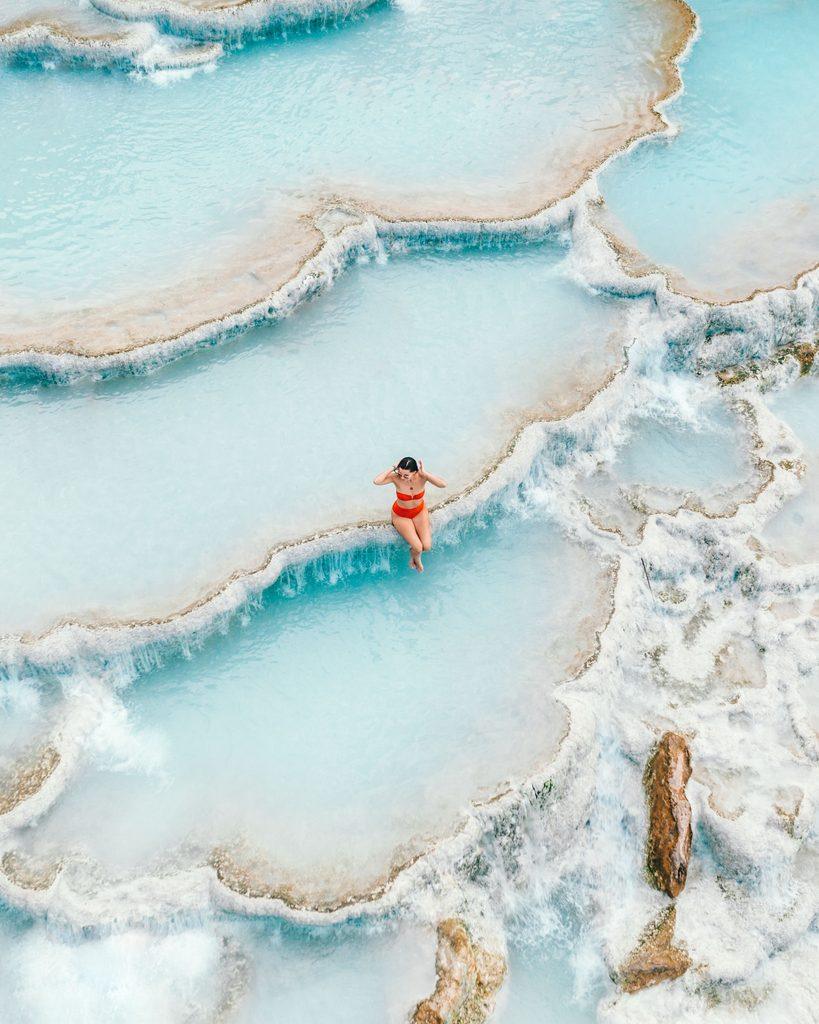
There is something wonderfully uncomplicated about warm water, a beautiful setting and nowhere you need to be for the next hour.
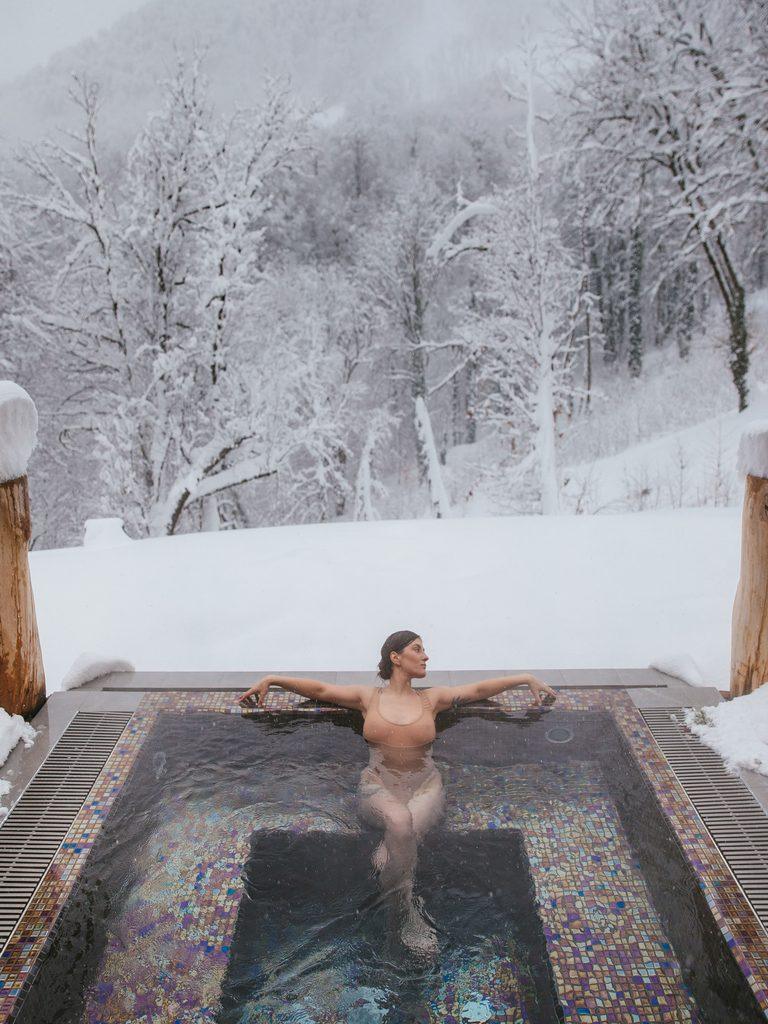
From Europe’s historic thermal-bath towns to hot springs tucked into mountain landscapes, bathing traditions invite travelers to slow down and treat rest as an experience in its own right. Depending on the destination, a visit might include thermal pools, saunas, mineral baths, massage or simply time to sit quietly and take in the surroundings.
The appeal isn’t that a soak will reverse aging. It is that stepping away from constant stimulation can make room for relaxation, and that the ritual itself can become a memorable part of a trip.
The luxury is having the time to enjoy it without rushing to the next appointment.
2. Nature Escapes That Get You Moving
Some of the most rewarding wellness experiences don’t look like wellness experiences at all.
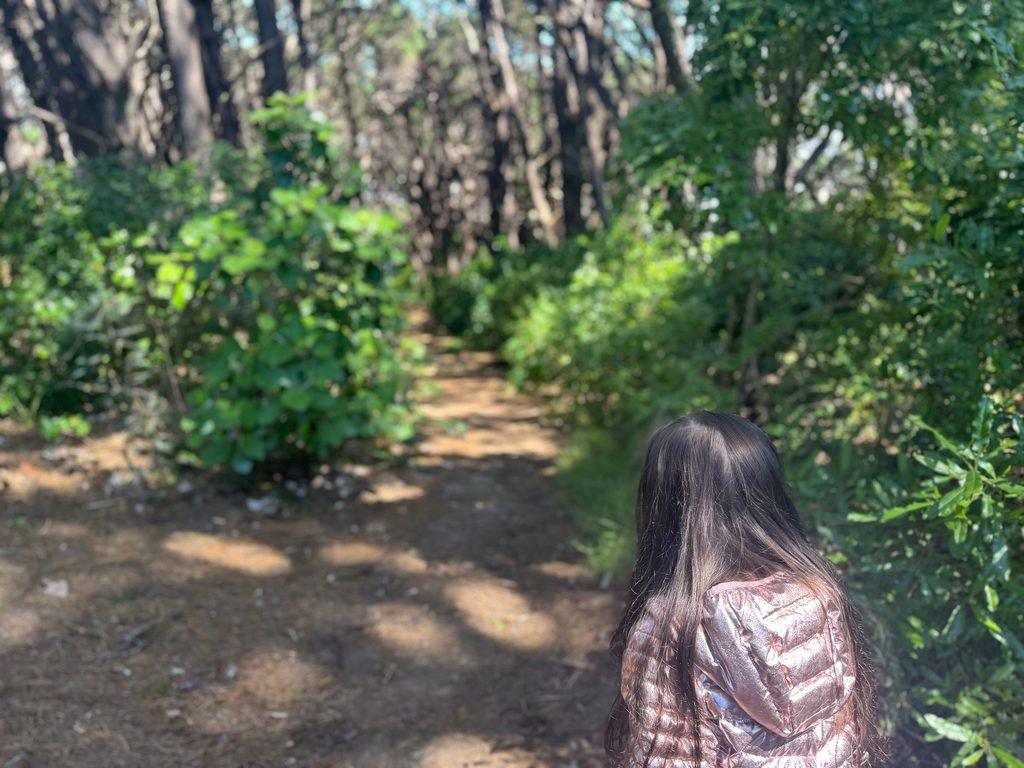
They look like walking a coastal path, exploring a national park, cycling through the countryside or spending the afternoon discovering a place on foot. You might return to your hotel pleasantly tired, sleep more soundly and realize that you have spent an entire day moving without ever stepping into a gym.
Nature-based travel can make physical activity feel less like another obligation and more like an invitation. The scenery provides the motivation; the experience gives you a reason to keep going.
For travelers who spend much of the year behind a desk, in a car or in front of a screen, a trip built around gentle adventure can be an especially welcome change of pace. The key is choosing activities that fit your ability and comfort level, whether that means an ambitious hike or a leisurely stroll through a botanical garden.
3. Food as Pleasure, Culture and Nourishment
Food deserves a central place in any conversation about living well. Not because every meal must meet a nutritional target, but because the way we eat can bring together nourishment, culture, pleasure and connection.
A culinary-focused trip can introduce you to seasonal ingredients, regional cooking traditions, local markets and the people who preserve them. You might learn how a destination uses herbs, legumes, seafood or vegetables, take a cooking class with a local chef, or linger over a meal that unfolds over several hours.
The experience can be as educational as it is delicious. You may come home with a new recipe, a favorite ingredient or a better appreciation for the relationship between food and place.
If you’ve followed our adventures around the world, you know this has always been at the heart of how we travel. Some of the best souvenirs aren’t things we bring home in our suitcases (unless it’s salt and spices), but the flavors, traditions and little discoveries that become part of our everyday lives. When we return home, I love seeing how our travels find their way into our kitchen, from a pinch of salt or a spice we discovered in Provence to a cooking technique or treasured tip shared by a grandmother, chef or home cook. These are the things we get to recreate, share with friends and family, and enjoy long after the trip itself has ended.
And let’s be honest: a longevity philosophy that leaves no room for an extraordinary dinner is missing something important. Enjoyment matters, too. The goal isn’t to turn vacation into a nutrition project. It’s to discover delicious ways of eating and living that you genuinely want to bring into everyday life.
4. Sleep-Focused Stays and the Luxury of Doing Less
For many travelers, one of the most restorative parts of a vacation is the one they may not think to plan for: a truly good night’s sleep.
Travel can disrupt our routines, but the right stay can also help us reset. Think quiet surroundings, comfortable bedding, room-darkening options, time outdoors and an itinerary that leaves room to breathe rather than requiring you to rush from one experience to the next.
Sleep has become such a valued part of wellness travel that several major luxury hotel brands are introducing dedicated sleep-focused experiences and programs. From thoughtfully designed rooms to sleep consultations and relaxation treatments, these stays recognize that rest isn’t simply a byproduct of a vacation. It can be one of the reasons you take one.
Of course, you don’t need to book a specialized sleep retreat to reap the benefits. Sometimes, a weekend without late-night scrolling, early-morning obligations or an overstuffed schedule is enough to remind you how good it feels to slow down.
Consider it an opportunity to make rest part of the experience, rather than something squeezed in around everything else.
5. Wellness That Connects You to Other People
Wellness is often presented as an individual pursuit: your routine, your goals, your measurements. Yet some of the most meaningful travel experiences happen in the company of other people.
A guided cultural excursion, a group cooking class, a walking tour or a shared table can create opportunities for conversation and connection. These experiences can be especially valuable for solo travelers, people navigating a life transition or anyone who wants to meet others without the pressure of a formal social setting.
Time with family and friends can be equally meaningful. A multigenerational trip that gets everyone exploring, talking and trying something new may not resemble a traditional wellness retreat, but it can provide something just as worthwhile: shared memories and time together.
The best part is that these experiences don’t have to be scheduled down to the minute. Leave room for the conversation that runs long, the unexpected invitation or the discovery that becomes the story everyone tells afterward.
How to Choose a Longevity Retreat Without Buying Into the Hype
As longevity becomes a more prominent part of luxury hospitality, travelers will encounter an expanding menu of treatments, tests and promises. Some programs are led by qualified medical professionals; others focus primarily on relaxation, fitness or lifestyle experiences. Knowing the difference matters.
Before booking, consider a few questions:
- What is actually included? Understand whether the price covers consultations, testing, treatments, meals and follow-up support.
- Who is providing the care? If a program offers medical evaluations or health interventions, check the credentials of the professionals involved and whether appropriate medical supervision is available.
- Are the claims realistic? Be wary of promises to reverse aging, guarantee longevity or deliver dramatic results from a short stay.
- Will the experience suit you? Consider your current fitness level, comfort with intensive programming, dietary needs and the amount of downtime you want.
- What can you bring home? A useful retreat should leave you with realistic ideas you can continue, not a list of expensive treatments you feel compelled to repeat.
Travelers with medical conditions or specific health concerns should speak with their healthcare professionals before undertaking intensive wellness programs. A beautiful setting does not replace individualized medical advice.
The Best Wellness Souvenir May Be a New Habit
The real value of a wellness trip may become clearer after you unpack.
Perhaps you discover that you love starting the morning with a walk. Maybe a cooking class changes the way you prepare vegetables at home, you fall in love with a high polyphenol olive oil, or a few days in a quiet setting remind you how much better you feel when you protect your sleep. You might return with a new appreciation for unhurried meals, time outdoors in the spa, or making plans with people you love.
These are small things, but they can be meaningful precisely because they are repeatable.
That is also why I believe the most interesting travel experiences are the ones that stay with us. I often use what I call the Memory First Travel Test: Will I remember this five years from now?
With longevity travel, I would add another question: Will something about this experience make my everyday life better when I get home?
The answer doesn’t have to involve a dramatic transformation. It might be a new perspective, a favorite walking route, a recipe, a friendship or simply the realization that you feel better when you make time for the things that matter.
A More Enjoyable Way to Think About Living Well
Perhaps the most refreshing shift in wellness travel is the possibility of bringing health and pleasure into the same conversation.
You can spend the morning hiking and the evening enjoying a memorable dinner. You can book a restorative treatment without turning your entire vacation into a self-improvement project. You can travel with your family, explore a new culture and return home with experiences that nourish your curiosity as well as your sense of well-being.
You don’t have to optimize every minute of your life to take good care of yourself.
Sometimes living well means moving your body. Sometimes it means resting. Sometimes it means trying something unfamiliar, laughing with friends, eating something delicious or standing somewhere beautiful long enough to appreciate it.
The best longevity trip may not be the one with the most sophisticated technology or the longest list of treatments. It may be the one that reminds you how good life can feel when you make room for the things that help you thrive.
And that is a souvenir worth bringing home.