From the rise of sleep-focused hotel experiences to the simple ways travelers can improve rest, stay active and bring culinary inspiration home, Christianne Klein discusses how travel can support well-being long after vacation ends.
I was delighted to hear from CBS Salt Lake City after their team read our recent article on longevity travel. They invited me to continue the conversation on air, and I loved having the opportunity to share more about a topic I’ve been exploring through FoodFamilyTravel.com®: how the experiences we choose when we travel as a family can support our well-being, inspire us to embrace new habits and hopefully encourage others to bring some of those ideas into their own everyday lives long after a trip ends.
During my conversations with tourism leaders and hospitality professionals at IMEX America, longevity and wellness repeatedly came up as important themes shaping the future of travel. What I find particularly interesting is how this conversation is expanding beyond traditional spa vacations. Travelers are increasingly looking at how a trip makes them feel- not just while they’re away, but in their everyday lives afterward.
At FoodFamilyTravel.com®, that idea connects naturally with our Memory-First Travel™ philosophy. We always ask, Will I remember this five years from now? With longevity travel, there’s another question worth considering: Will something about this experience make my everyday life better when I get home?
We love discovering ideas, foods and little lifestyle changes along the way that we can bring home and incorporate into our daily routines. Sometimes it’s a new recipe or a different approach to preparing a meal. Other times, it’s something wonderfully practical (seriously, you NEED blackout curtains in your bedroom!). Those are the kinds of discoveries that make a trip meaningful long after you’ve unpacked.
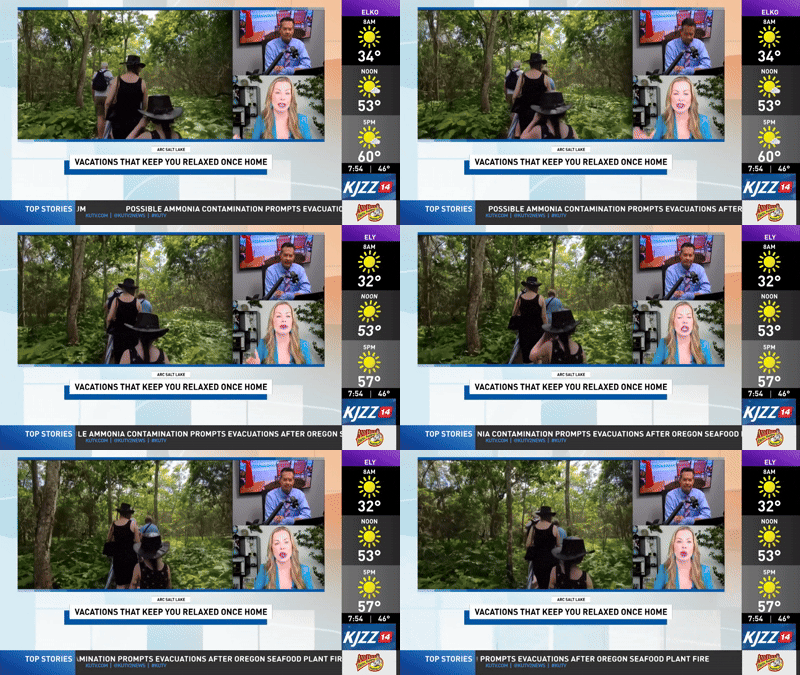
In our conversation with CBS Salt Lake City, we explored how hotels, destinations and travelers themselves are approaching that idea, from sleep-focused hospitality to outdoor exploration and culinary discovery.
(Be sure to follow FoodFamilyTravel.com on News Break and on Instagram: @food.family.travel for the latest travel & lifestyle stories, trends and tips)
Sleep Tourism: When Rest Becomes Part of the Hotel Experience
One of the more interesting developments in hospitality is the growing attention to sleep. Hotels have long competed on comfortable mattresses, luxurious linens and room amenities. Now, some are building entire experiences around helping guests rest and recover.
Equinox Hotel New York is an example of this shift. Connected to the Equinox fitness brand, the hotel has developed a dedicated Sleep Lab experience incorporating sleep technology and personalized insights. It reflects a broader approach to wellness in which rest is considered alongside exercise, recovery and other lifestyle habits.
The interest isn’t limited to luxury hotel guests. Hilton’s 2025 Trends Report explored travelers’ relationships with sleep and found that many respondents see travel as an opportunity to improve their rest. The report also highlighted the appeal of sleeping well while away from home.
It’s an interesting contrast: travel can disrupt sleep through unfamiliar surroundings, late nights and changing schedules, but a hotel stay can also give people an opportunity to step away from their usual routines.
The good news is that travelers don’t necessarily need a specialized sleep program to make rest a priority.
When booking a room, ask whether you can be placed in a quieter part of the hotel, away from elevators and busy common areas. If you’re sensitive to light, look for blackout curtains or pack a comfortable sleep mask. Individual temperature controls can help you keep the room cool at night, and travelers who enjoy aromatherapy might bring a familiar lavender product as part of their bedtime routine.
It’s also worth considering the itinerary itself. An overstuffed schedule can leave little room for rest, so building in a slower morning or an unscheduled afternoon may be just as valuable as another planned activity.
The larger point is that sleep doesn’t have to be something that happens around a vacation. It can be part of the experience you’re choosing.
Moving More Without Planning a Workout
Another point we discussed is how travel can make movement feel more natural.
When you’re exploring somewhere new, physical activity often becomes part of the experience. You might walk through historic neighborhoods, climb to a scenic overlook, explore a botanical garden or spend an afternoon wandering through a local market.
Hilton’s 2025 Trends Report found that seven in ten global travelers surveyed enjoy being active when they travel. That interest creates an opportunity to make movement part of an itinerary without necessarily adding a formal workout.
A walking tour can introduce you to a destination’s architecture and history. A coastal path might become the highlight of a trip. Even choosing to explore a neighborhood on foot rather than relying on transportation for every journey can change how you experience a place.
For families, these activities can be particularly appealing because everyone can participate at a comfortable pace. The experience becomes about discovery rather than exercise alone.
Of course, how much walking travelers do depends on the destination, their abilities and the type of trip they’re taking. The idea isn’t to turn every vacation into a fitness challenge. It’s to look for enjoyable opportunities to move while experiencing somewhere new.
Culinary Travel Can Change the Way We Cook at Home
Food is another way travel can influence everyday life long after the trip ends.
A visit to a farmers market can introduce you to seasonal ingredients you don’t usually see at home. A spice market can reveal how different cultures layer flavors into their cooking. A class with a local chef or home cook can teach you a technique or recipe that becomes part of your own kitchen repertoire.
These experiences offer more than a memorable meal. They give travelers a chance to learn about the people, traditions and ingredients that define a place.
I love the idea of returning from a trip with something you can recreate and share. It might be a new way to prepare seafood, a spice blend you discovered abroad, a favorite regional dish or a cooking technique that makes an ordinary weeknight meal feel a little more special.
And this doesn’t mean that every meal on vacation needs to be optimized for wellness. Food is also about pleasure, culture and connection. A memorable dinner and a cooking class can both have a place in a trip centered on living well.
For me, that’s part of what makes culinary travel so valuable: the discoveries don’t have to end when you leave the destination.
Wellness Doesn’t Have to Mean an Expensive Retreat
Longevity travel can bring to mind elaborate wellness resorts, specialized treatments and sophisticated technology. Those experiences may appeal to some travelers, but they aren’t the only way to approach the idea.
A nature walk, a visit to a thermal bath, a leisurely meal made with local ingredients or a hotel stay that allows you to catch up on rest can all become part of a more intentional trip.
The key is to think about what you actually want from your time away. Do you need a break from a demanding schedule? Would you enjoy spending more time outdoors? Are you looking for inspiration in the kitchen, a chance to reconnect with family or simply a few nights of better sleep?
The answer can help shape a trip that feels restorative without turning vacation into another checklist of goals.
It’s also important to keep expectations realistic. No vacation can guarantee a longer life, and a short wellness stay isn’t a substitute for ongoing health habits or individualized medical advice. But travel can create space to explore new interests, discover what you enjoy and identify routines you’d like to continue.
Bringing the Experience Home
The most interesting travel experiences often reveal their value after we return.
Perhaps you discover that you enjoy starting the morning with a walk. Maybe you learn a recipe that becomes a family favorite, find a new appreciation for seasonal ingredients or realize how much better you feel when you protect your sleep.
These discoveries connect longevity travel with the idea at the heart of Memory-First Travel™: the experiences that matter most are the ones that stay with us.
It isn’t solely about where you stay or how much you spend. It’s about being thoughtful about the experiences you choose and what you want to take away from them.
The question I keep coming back to is simple: Will something about this experience make my everyday life better when I get home?
Sometimes the answer is a new perspective. Sometimes it’s a recipe, a walking route, a better bedtime routine or a memory shared with the people you love.
Those are the kinds of travel experiences worth bringing home.
Watch the full CBS Salt Lake City segment below.