


Living a longer life is no longer the ultimate goal. In 2026, the conversation has shifted toward something even more meaningful: living better for longer.
Instead of focusing solely on lifespan, physicians and researchers are increasingly talking about healthspan– the years we spend healthy, active, independent, and able to enjoy the people and experiences we love. It’s a subtle difference, but an important one. After all, most of us don’t simply want more years on the calendar. We want more years filled with adventure, laughter, great meals, meaningful relationships, and memories worth holding onto.
That’s one reason longevity has become one of the fastest-growing areas of wellness. While social media often highlights expensive supplements, cutting-edge technology, and the latest biohacking trends, the strongest evidence continues to point toward something much simpler. The habits most closely associated with healthy aging aren’t built overnight, nor are they found in a single product. They’re created through small, consistent choices repeated over months, years, and decades.
At FoodFamilyTravel.com®, we’ve always believed in what we call Memory-First Living™. To us, wellness isn’t about chasing perfection- it’s about staying healthy enough to keep saying “yes.” Yes to taking the trip. Yes to hiking the extra mile for the view. Yes to gathering around the dinner table with family and friends. Yes to trying out that new recipe. Yes to trying something you’ve never done before. The more we interview experts around the world, the more we’re reminded that living well isn’t just about the big, once-in-a-lifetime experiences. It’s about slowing down enough to notice the moments already happening around us- the family dinner that turns into a favorite story, the spontaneous adventure, the conversation that stays with you, the simple traditions that become memories over time. A Memory-First Life™ isn’t built only from extraordinary days; it’s created by making ordinary moments meaningful and memorable.
Here are ten habits experts continue to recommend for living better, longer.
1. Build Strength for the Life You Want to Live
If there’s one habit that consistently appears at the top of longevity experts’ lists, it’s maintaining muscle. Beginning as early as our thirties, we naturally lose muscle mass over time, which can affect everything from balance and metabolism to bone health and mobility. Strength training helps preserve that muscle while supporting the independence that allows us to keep doing the things we love.
The goal isn’t to become a bodybuilder. It’s to remain strong enough to lift a suitcase into an overhead bin, hike to a scenic overlook, carry groceries with ease, or chase your children- or someday your grandchildren- through the backyard. Research continues to show that just two or three strength-training sessions each week using weights, resistance bands, or even bodyweight exercises can make a meaningful difference over time.
2. Eat to Nourish, Not Restrict
Nutrition advice has changed dramatically over the years, but one message has become increasingly clear: focus less on restriction and more on nourishment.
Protein has earned renewed attention because it helps maintain muscle, supports recovery, and plays an important role in healthy aging. At the same time, experts continue to emphasize colorful fruits and vegetables, whole grains, legumes, healthy fats, nuts, seeds, and fiber-rich foods that support both our bodies and the gut microbiome. We add extra vegetables to every meal (the extra veggies will also result in much better flavor in your recipes).
One thing I’ve noticed while traveling is that many of the world’s healthiest cultures don’t obsess over dieting. Instead, they prioritize fresh ingredients, seasonal foods, and meals shared with people they love. Wellness isn’t just about what we eat- it’s also about how we gather around the table and the joy (and memories) those meals bring to us.
3. Protect Your Sleep
Sleep has quietly become one of the most important pillars of long-term health. Researchers continue to link quality sleep with better heart health, memory, immune function, emotional well-being, metabolism, and cognitive performance.
Most adults should aim for seven to nine hours each night, but consistency matters just as much as quantity. Creating a regular bedtime routine, limiting screens before bed, keeping your bedroom cool and dark, and getting outside for natural morning light are all simple habits that can make a meaningful difference over time.
This is something I learned firsthand during my years working for Good Morning America, when my schedule often meant sleeping at unusual hours and trying to rest while the rest of the world was wide awake. When you’re trying to sleep during the day or adjusting to unpredictable hours, you quickly realize how important your environment really is. One of the simplest sleep upgrades I still swear by? A good blackout curtain. It may sound like a small thing, but creating a truly dark bedroom can be a game-changer when it comes to improving the quality of your rest.
4. Keep Moving Every Day
Despite the explosion of high-tech fitness trends, one of the most effective forms of exercise remains one of the simplest: walking.
One of my favorite things about travel is that movement becomes part of the experience. Hours can disappear wandering through museums, exploring local markets, strolling historic neighborhoods, or hiking to breathtaking viewpoints without ever feeling like you’re exercising. Curiosity has a wonderful way of keeping us moving.
Whether you’re exploring a new city or simply taking the scenic route around your own neighborhood, regular movement supports cardiovascular health, reduces stress, improves mobility, and helps us remain active well into the future.
We try to take a stroll around the neighborhood after dinner no matter where we are in the world. It helps with digestion and keeps us moving.
5. Brain Health Is Becoming a Daily Practice
Protecting cognitive health is becoming an essential part of healthy aging. After all, longevity isn’t just about adding more years to our lives- it’s about preserving the ability to learn, explore, connect, and fully experience those years.
Experts encourage activities that challenge the brain, from reading and learning a new language to playing an instrument, developing a new hobby, or exploring a subject you’ve always been curious about. But brain health isn’t just about keeping our minds busy- it’s about staying engaged with the world around us.
This is one reason new experiences can be so powerful. Travel, trying something unfamiliar, meeting new people, and stepping outside our routines all encourage the brain to adapt and stay active. Whether it’s exploring a new destination, taking a cooking class, visiting a museum, or simply seeing your hometown through a fresh perspective, curiosity keeps us growing.
It aligns perfectly with Memory-First Living. The moments we remember most are often the ones that surprised us, challenged us, or inspired us. Staying curious doesn’t just help support brain health- it helps us continue creating a life filled with meaningful experiences.
6. Prioritize Connection, Joy, and Emotional Well-Being
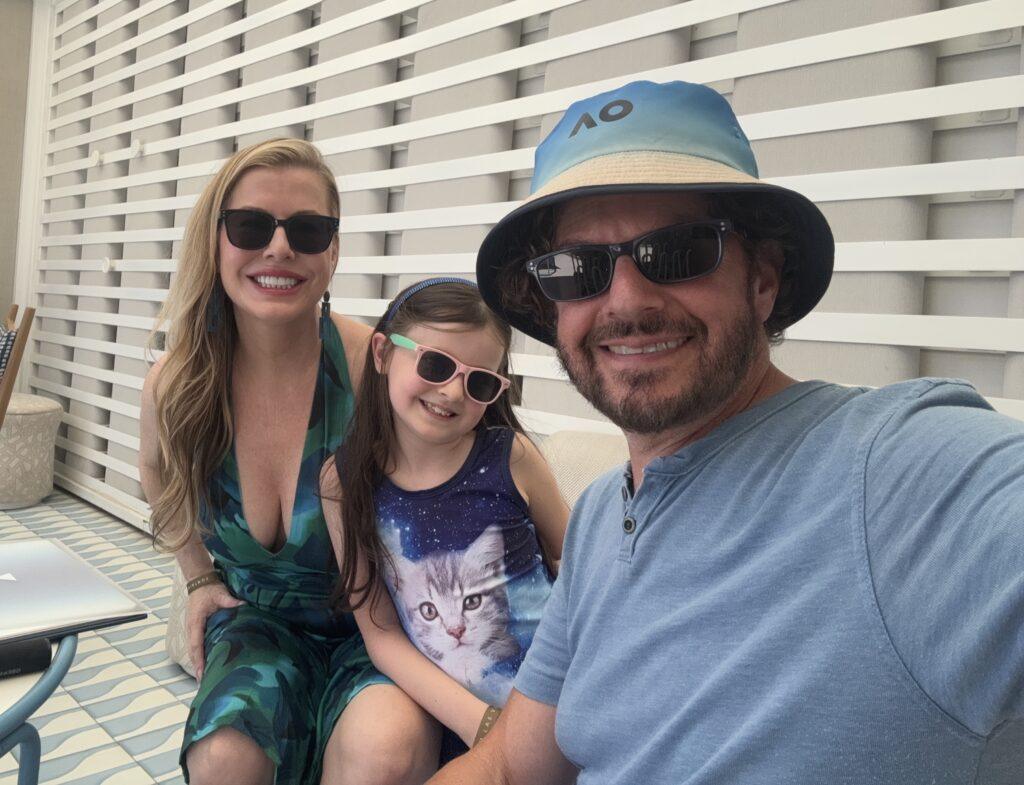
One of the strongest predictors of healthy aging isn’t found in a supplement bottle.
It’s connection.
Decades of research continue to show that strong friendships, supportive families, meaningful conversations, and active communities are associated with healthier, happier lives. The people we surround ourselves with don’t just make life more enjoyable- they may also play an important role in how we age.
When I think back on my favorite memories, very few revolve around something I purchased. Almost all of them involve people- sharing meals around a table, celebrating milestones, singing karaoke with my daughter and husband, discovering somewhere new together, or laughing until we couldn’t catch our breath. Those moments are often the ones that stay with us long after the details of a trip or event fade.
But connection is only one part of emotional wellness. How we care for ourselves during life’s stressful seasons matters, too. Stress is an unavoidable part of being human, but living in a constant state of stress can take a toll on both our bodies and minds.
Practices like meditation, prayer, yoga, breathwork, journaling, spending time outdoors, or simply enjoying a quiet cup of coffee before the day begins can help create moments of recovery and reflection. The goal isn’t to eliminate challenges- because challenges are part of every meaningful life. It’s about building the resilience to navigate them while still making space for joy, gratitude, and the people who matter most.
The relationships we invest in today, and the moments of calm we create for ourselves along the way, often become the memories we treasure tomorrow.
7. Stay Ahead of Your Health
One of the biggest shifts in modern wellness is the growing emphasis on prevention. Instead of waiting until something feels wrong, more people are taking a proactive approach to their health through regular checkups, recommended screenings, and conversations with their healthcare providers.
Knowing your blood pressure, cholesterol, blood sugar, and other important health markers isn’t about expecting something to be wrong. It’s about having the information you need to make thoughtful decisions today that can help protect the life you want to live tomorrow.
Preventive care is one of the simplest ways we can invest in our future selves. After all, the goal isn’t just to add more years to our lives- it’s to stay healthy enough to fully enjoy them.
8. Spend More Time in Nature
One of the simplest longevity habits may also be one of the most enjoyable: spending time outdoors.
Research continues to explore the connection between nature exposure and overall well-being, with studies linking time outdoors to lower stress, improved mood, better mental health, and increased physical activity. Whether it’s walking through a forest, hiking a scenic trail, gardening, sitting near the water, or simply getting outside for fresh air and sunlight, nature has a powerful way of helping us reset.
This is one reason so many of our favorite travel memories involve the outdoors. A sunrise at the beach, a stunning hike, watching wildlife in its natural habitat, or exploring a national park often becomes more than just an activity- it becomes a moment we carry with us.
You don’t need a faraway destination to experience the benefits. A neighborhood park, a local trail, or a few quiet minutes outside can be a reminder that wellness doesn’t always require something complicated. Sometimes it simply requires stepping outside and paying attention.
9. Consistency Beats Perfection
Perhaps the most encouraging lesson from longevity research is that you don’t need to do everything perfectly.
You don’t need the latest supplement stack. You don’t need an expensive wellness routine. And you certainly don’t need to completely overhaul your life overnight.
The habits that make the biggest difference are often the simplest ones: walk a little more, build strength, prioritize sleep, eat nourishing foods, stay curious, spend time with people you love, and continue creating moments that matter.
Small choices practiced consistently over time are far more powerful than dramatic changes that last only a few weeks.
A healthy life isn’t built in a single day. It’s built through the choices we make again and again.
10. Practice Gratitude and Cultivate Optimism
A growing body of research has explored the connection between a positive outlook, emotional resilience, and overall well-being. While optimism doesn’t mean ignoring life’s challenges, the ability to find moments of gratitude, hope, and appreciation can shape how we experience the world around us.
Gratitude can be as simple as noticing the small things: a beautiful sunset, a great conversation, a favorite meal, a child’s laugh, or a moment that reminds you how fortunate you are to be experiencing life. These moments may seem ordinary, but they often become the memories we hold onto most.
One thing I’ve learned through years of traveling and storytelling is that some of the happiest people aren’t necessarily the ones who have the most- they’re the ones who notice the most. They pay attention to the details, appreciate the people around them, and find joy in everyday experiences.
A Memory-First Life isn’t about waiting for the perfect moment. It’s about recognizing the meaningful moments already happening all around us.
The FoodFamilyTravel Take: Don’t Just Add Years- Add Life
It’s easy to become so focused on living longer that we forget why we want to live longer in the first place.
The goal isn’t simply to reach a certain age. It’s to remain healthy enough to keep experiencing the moments that make life meaningful. To book another trip. Celebrate another birthday. Learn another skill. Cheer from the audience at another school play. Wander another city. Share another unforgettable meal with friends and family.
At FoodFamilyTravel, we’ve always believed that the richest lives aren’t measured simply by years. They’re measured by experiences, relationships, curiosity, and the memories we create along the way.
That’s why Memory-First Living feels so closely aligned with the science of longevity. The healthiest life isn’t one spent chasing perfection. It’s one built on intentional choices that allow us to keep exploring, keep learning, keep connecting, and keep saying yes to the people and experiences that make life extraordinary.
Because in the end, longevity isn’t just about adding years to your life.
It’s about adding more life to your years- and making every one of them worth remembering.
Read this story and follow us on News Break: https://www.newsbreak.com/foodfamilytravel-com-383594855/4798404123658-the-longevity-lifestyle-10-science-backed-habits-that-help-you-live-better-longer